
Introduction
In today’s competitive digital marketing environment, generating leads at an affordable cost is a major goal for businesses. Meta Ads, which includes advertising on Facebook and Instagram, helps businesses reach potential customers, promote services, and collect inquiries. However, many advertisers struggle with high advertising costs and leads that do not convert into sales.
One important metric to understand is Cost Per Lead (CPL). It tells you how much you spend on advertising to generate each lead. Reducing CPL while maintaining lead quality can help businesses use their marketing budgets more effectively.
In this blog, we will explore seven practical strategies to reduce Cost Per Lead in Meta Ads and improve campaign performance.
1. Understand Your Current Cost Per Lead

Before optimizing your campaigns, calculate your current CPL.
Formula:
CPL = Total Advertising Spend ÷ Number of Leads Generated
For example, if you spend ₹5,000 on a campaign and generate 100 leads, your CPL is ₹50.
Review your results regularly to understand which campaigns, audiences, and advertisements are performing well. Remember that a lower CPL is not always better if the leads are irrelevant or unlikely to become customers. Aim to reduce the cost of acquiring qualified leads.
2. Improve Your Audience Targeting
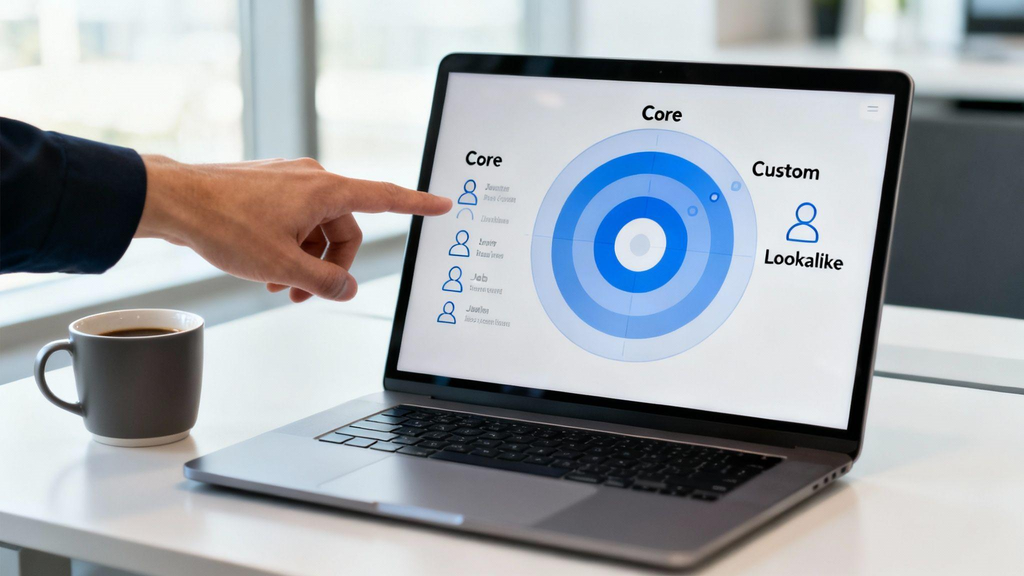
Showing your ads to the right people can improve campaign efficiency. Start by identifying your ideal customers, including their location, needs, interests, and likely purchasing behavior.
For example, a digital marketing agency serving businesses in Mumbai may focus its campaign on relevant business owners within its service area.
You can test suitable audience settings, custom audiences based on eligible customer interactions, and lookalike audiences where available. Meta’s automated audience options may also help identify potential leads.
Avoid making audiences unnecessarily narrow. Test different approaches and compare the cost per qualified lead rather than judging performance only by clicks or impressions.
3. Create Attractive Ad Creatives
Your ad creative is one of the first things potential customers notice. A clear, relevant advertisement can attract attention and encourage interested people to submit their details.
Use high-quality images, short videos, engaging headlines, and concise copy that explains the benefits of your offer.
For example, instead of using a generic headline such as “Digital Marketing Services,” try “Looking for More Business Leads? Book a Free Strategy Consultation.”
Test multiple creative variations to identify which messages attract relevant prospects. Avoid misleading claims or exaggerated promises, as these can generate poor-quality inquiries.
4. Optimize Your Lead Forms
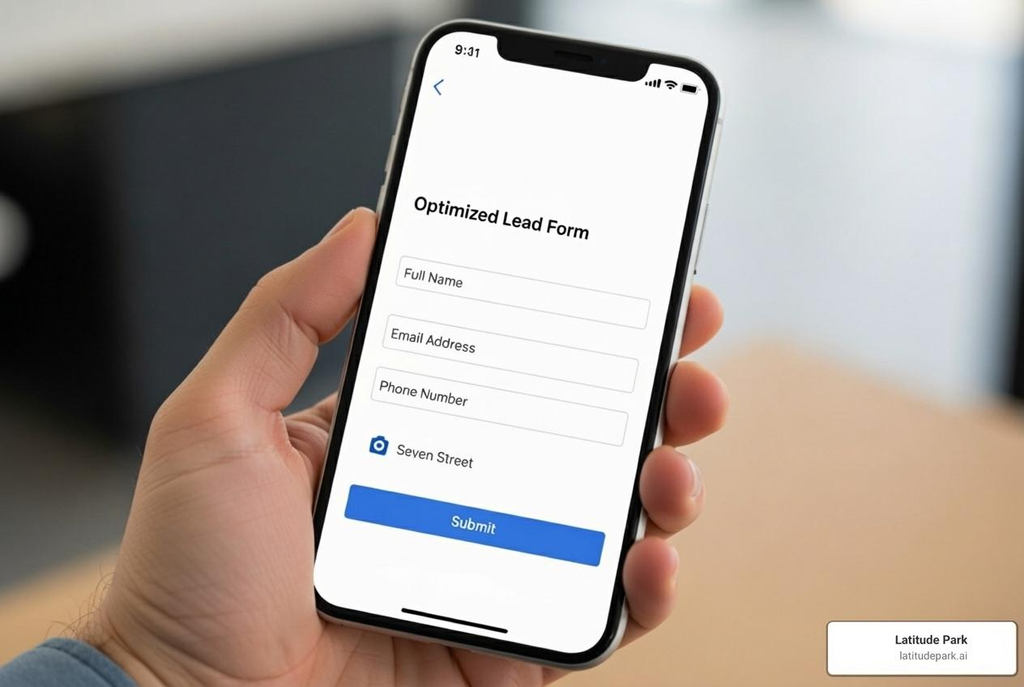
Meta Instant Forms allow users to submit their information without leaving Facebook or Instagram. A well-designed form makes it easier for interested people to contact your business.
To improve results:
- Ask only for information you genuinely need.
- Explain what users will receive after submitting the form.
- Include relevant qualifying questions when necessary.
- Test different form layouts and levels of intent.
- Make your privacy information clear.
A very short form may generate more leads but could attract people with little interest. A higher-intent form with a review step or relevant qualifying questions may help improve lead quality, although it can also reduce submission volume.
Choose the form structure that produces the best balance between CPL and qualified leads.
5. Test Different Offers and Calls to Action
Sometimes high CPL is caused by an offer that does not give people a strong reason to respond.
Experiment with useful offers such as free consultations, product demonstrations, downloadable guides, or introductory assessments. Make sure the offer is relevant to your target audience and business goals.
Use clear calls to action such as “Get a Quote,” “Book a Consultation,” or “Download the Guide.” Compare different offers to discover which generates the most qualified leads within your budget.
6. Retarget Interested Audiences
People who have already interacted with your business may be more familiar with your services than completely new audiences.
Where appropriate, create retargeting campaigns for eligible website visitors, video viewers, or people who engaged with your social media content.
For example, someone who visited your agency’s services page but did not submit an inquiry could see an ad offering a free consultation.
Use relevant messaging, monitor audience size, and follow applicable privacy and consent requirements. Retargeting can support lead generation, but results will depend on your audience and campaign setup.
7. Monitor Performance and Optimize Regularly
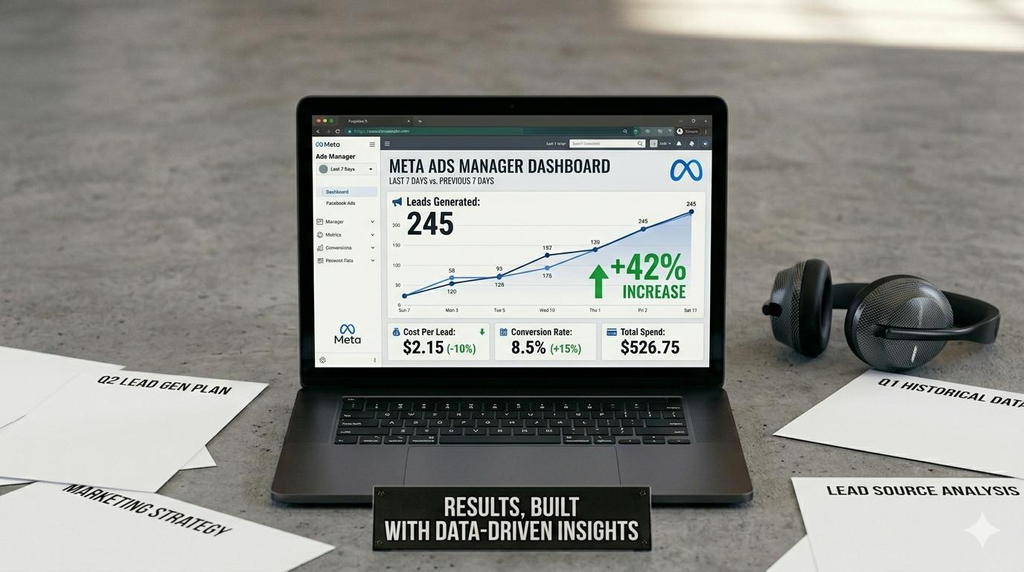
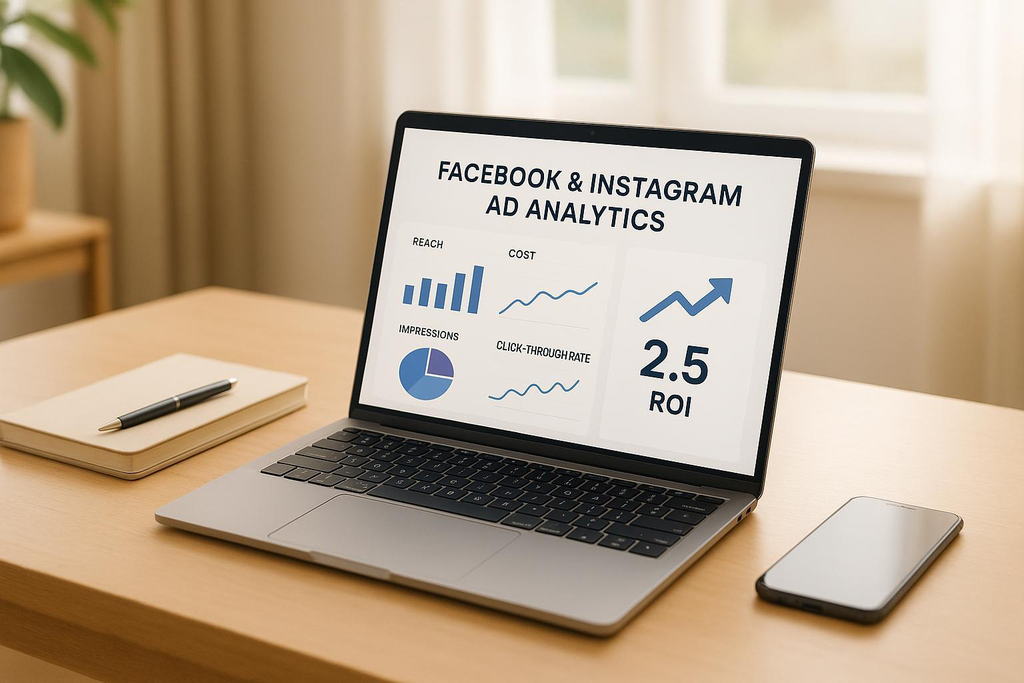
Use Meta Ads Manager and your CRM or lead management system to monitor campaign performance.
Track important metrics such as:
- Cost per lead
- Click-through rate
- Lead form completion rate
- Qualified lead percentage
- Cost per qualified lead
- Lead-to-customer conversion rate
Give tests enough time and data to produce meaningful results. Pause consistently underperforming ads when appropriate, and invest more carefully in campaigns that generate qualified leads and sales.
Conclusion
Reducing Cost Per Lead in Meta Ads requires more than simply lowering your budget. It involves understanding your metrics, reaching the right audience, creating compelling advertisements, improving lead forms, and tracking the quality of every inquiry.
Start by measuring your current CPL, test one or two improvements at a time, and evaluate both cost and lead quality. With consistent monitoring and optimization, you can make your Meta Ads campaigns more efficient and improve your chances of turning leads into paying customers.